Categories
Documentary Features Live Action Movies

Mifune
The Last Samurai

Director Steven Okazaki – 2015 – US – Cert. 12 – 80m

*****

Currently streaming on BFI Player as part of Japan 2020.

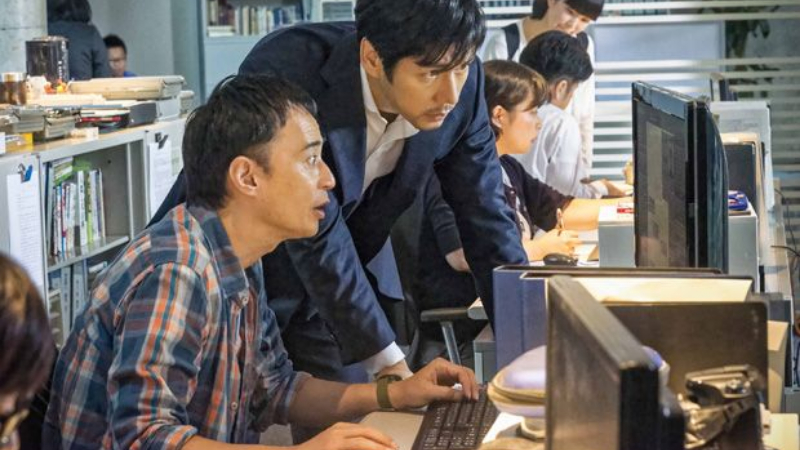
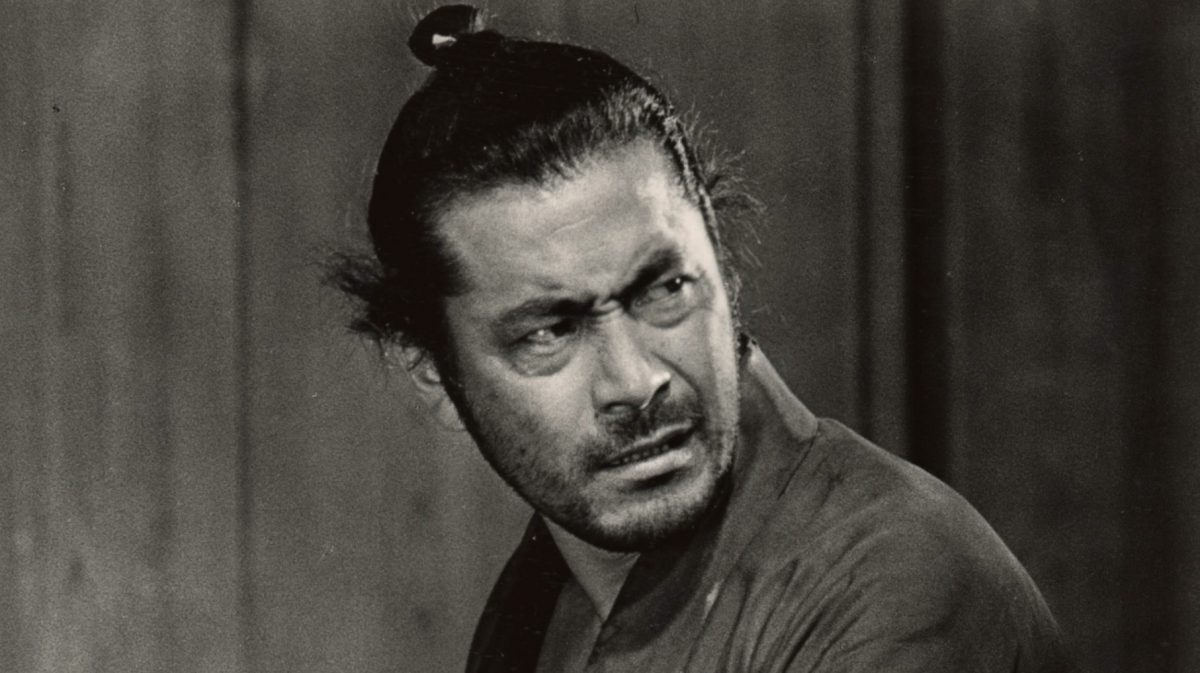
Toshiro Mifune (1920-1997) is director Akira Kurosawa’s iconic star of his samurai movies Rashomon, Seven Samurai and Yojimbo. He’s the subject of three time Oscar-nominated documentary film maker Steven Okazaki’s useful documentary Mifune The Last Samurai (2015). As narrator Keanu Reeves says in voice-over, without Mifune there would have been no Magnificent Seven, Eastwood would not have had A Few Dollars More and Darth Vader would not have been a samurai.

The documentary spends a good twenty minutes on background Japanese history, early Japanese film and Mifune’s life before his career in movies began.

He got into movie acting by accident, having originally applied to work at Toho Studios as a camera assistant. Kurosawa spotted him there, immediately recognised a unique quality and decided he wanted to work with him as an actor. The pair would go on to make sixteen films together.

I review Mifune The Last Samurai for All The Anime.

You can watch the film on BFI Player as part of Japan 2020.
Categories
Features Live Action Movies

A Snake Of June
(Rokugatsu
No Hebi,
六月の蛇)

Director – Shinya Tsukamoto – 2002 – Japan – Cert. 18 – 77m

*****

Unlike any terrorised female narrative you’ve ever seen, at once bizarre and hugely rewarding – currently streaming on BFI Player as part of the BFI Japan 2021 programme

This review originally appeared in What’s On In London, June 2003.

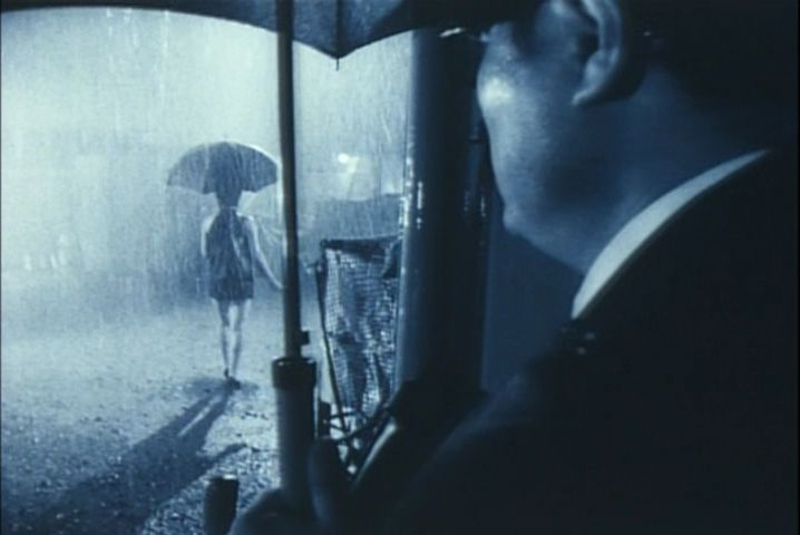
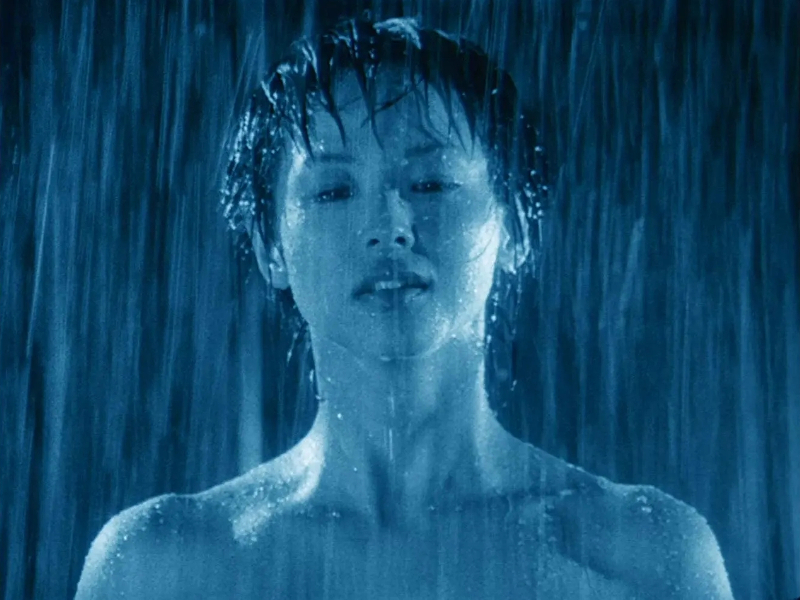
In an unnamed (but suspiciously Tokyo-like) Japanese city where it’s constantly raining, a mysterious phone caller blackmails repressed housewife Rinko (Asuka Kurosawa). If that sounds clichéd, set your prejudices aside because Shinya Tsukamoto’s unique, new film is unlike any terrorised female narrative you’ve ever seen. The motives of the caller (director Tsukamoto himself) are scarcely what you might expect.

From the moment Rinko opens a postal package labelled “Your Husband’s Secrets” to find photographs of herself masturbating (which she flicks into life like a series of animated stills) via her subsequent following orders involving short skirts and vibrators through to the extraordinary finale, the piece walks a difficult path between humiliating and liberating women.

With the year’s most arresting opening – a stripping model reduced to orgasmic ecstasy in serial, rapid-fire static images to the flashing of a stills camera – it’s likely to engross some viewers while offending others.… Read the rest

Categories
Features Live Action Movies

Creepy
(Kuripi:
Itsuwari No Rinjin,
クリーピー 偽りの隣人)

Director – Kiyoshi Kurosawa – 2016 – Japan – Cert. 15 – 130m

****

Currently on BFI Player as part of 21st Century Japan, MUBI as part of The Uncanny Universe of Kiyoshi Kurosawa and Eureka Video Dual Format BluRay/DVD.

The following review originally appeared in Funimation UK.

Kiyoshi Kurosawa’s new crime thriller Creepy draws on Vertigo, Psycho and Audition.

The latest film by Kiyoshi Kurosawa to receive a UK cinema release is an extraordinary and highly original crime thriller with more than a passing nod to two better known Alfred Hitchcock films. Its opening reworks that of Vertigo (1958) while certain later narrative elements owe much to Psycho (1960) although not the parts of that film which are usually aped or recycled in other movies. It also recalls Takashi Miike’s notorious Audition (1999) in its overall structure. Yet despite these clear influences, Creepy is very much its own film.

Vertigo‘s first scene opens with the rung of a ladder grasped moments afterwards by a human hand. This develops into a chase sequence in which the vertigo of Detective ‘Scottie’ Ferguson (James Stewart) causes a cop to fall to his death. Creepy‘s first scene opens with bars over a window.… Read the rest

Categories
Features Live Action Movies

Journey
To The Shore
(Kishibe
No Tabi,
岸辺の旅)

Director – Kiyoshi Kurosawa – 2015 – Japan – Cert. 12 – 127m

****

Currently on BFI Player (extended free trial offer here) as part of 21st Century Japan, MUBI as part of The Uncanny Universe of Kiyoshi Kurosawa and Eureka Video Dual Format BluRay/DVD.

Review published in All The Anime.

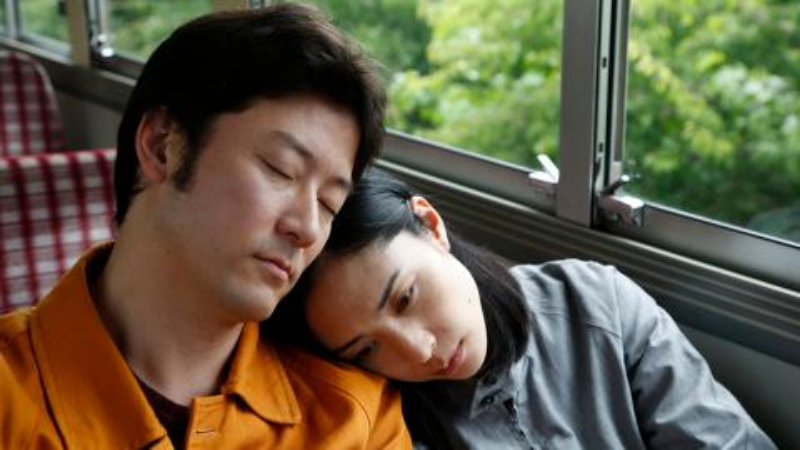
Loner Mizuki (Fukatsu Eri) is alone one evening when her husband Yusuke (Tadanobu Asano) appears out of a dark corner into the light as if through a door. There doesn’t seem to be anything odd about this even though as she says, “it’s been three years”. “I’m dead,” he affirms. “In the sea off Toyama. My body’s been eaten by crabs. You wouldn’t find it even if you searched.”

Before departing, the dead come to terms with their death and help those close to them do the same.

This quiet, subtle, underplayed affair works as a gentle romance… Read the rest

Currently on BFI Player (extended free trial offer here) as part of 21st Century Japan, MUBI as part of The Uncanny Universe of Kiyoshi Kurosawa and Eureka Video Dual Format BluRay/DVD.

Review published in All The Anime.

Categories
Features Live Action Movies

Secretary

Secretary

Director – Steven Shainberg – 2002 – US – Cert. 18 – 106m

*****

A Snake Of June (Rokugatsu No Hebi, 六月の蛇)

Director – Shinya Tsukamoto – 2002 – Japan – Cert. 18 – 77m

*****

Double DVD review originally published in Third Way, February 2004.

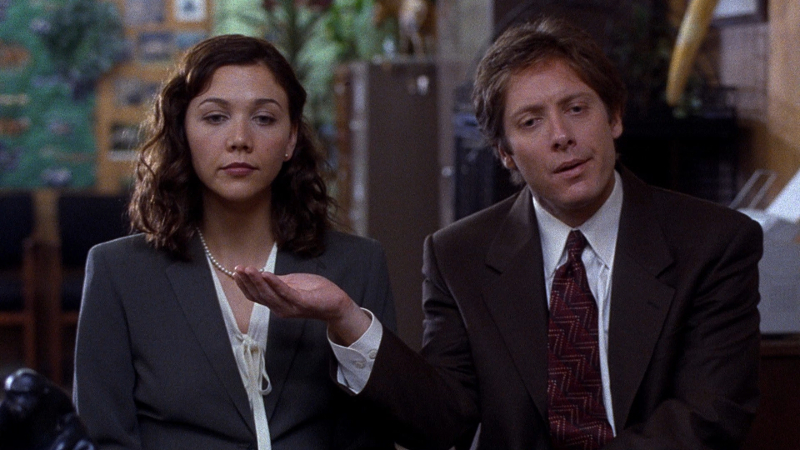
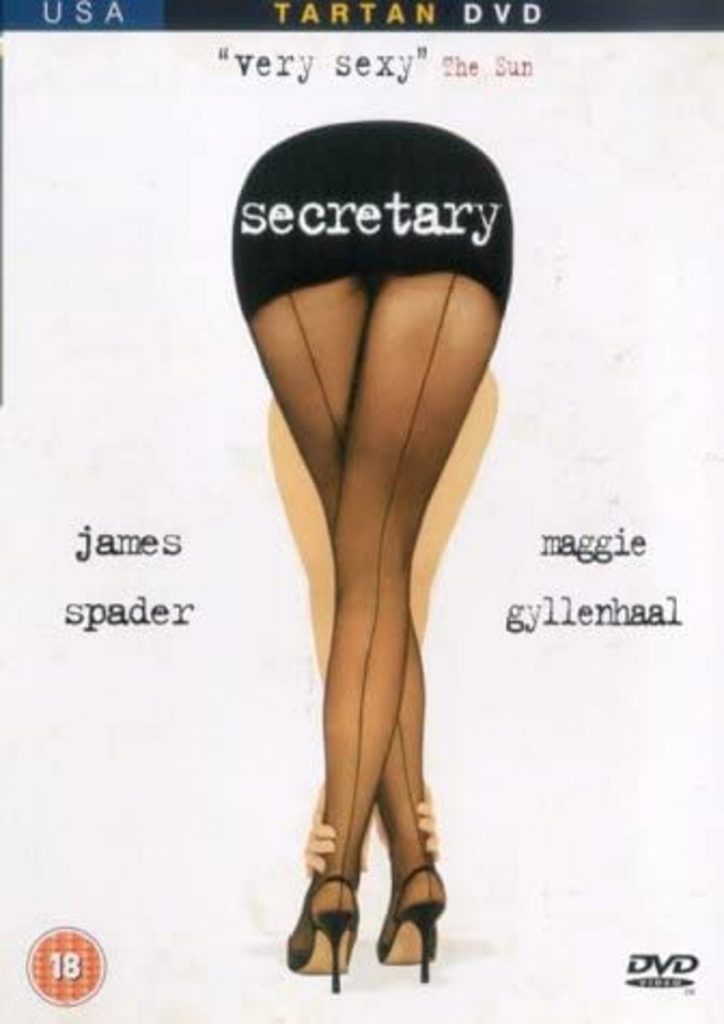
The cover image (rear view of a female figure in tight, short skirt and stockinged legs, bent down, hands grasping ankles) suggests titillation, but the American production Secretary is actually a serious drama – albeit one laced with a healthy dose of black humour – about a sadomasochistic relationship. But beneath its fetishistic surface, it is something else – an exploration into why two specific people (and why they in particular rather than any others) make one flesh. And how that works for them if the two people are initially in some way damaged (as we all are).

Although from a very different culture, its Japanese counterpart A Snake Of June – made by the experimental cyberpunk auteur Tsukamoto (of Tetsuo: The Iron Man fame) – explores much the same territory. Being small, low budget productions frees both films from mass, multiplex mainstream audience demands, allowing their directors to instead tackle (inter)personal relationship issues in depth.… Read the rest