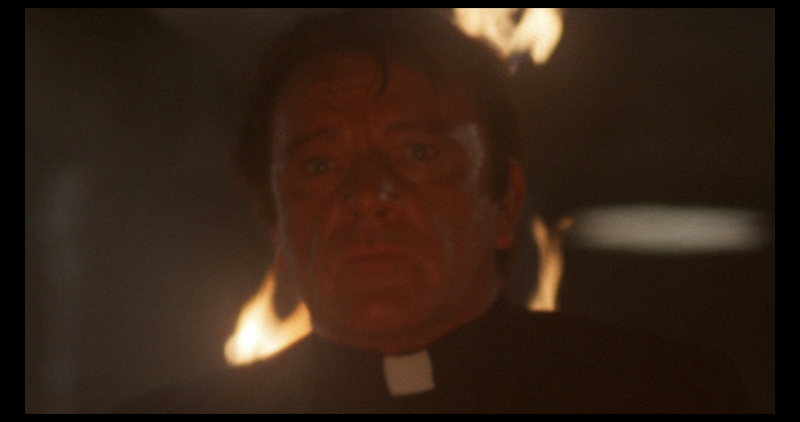
Boorman and the Devil
Director – David Kittredge – 2025 – US – Cert. 15 – 112m
*****
How director John Boorman’s sequel (or not) to The Exorcist became one of the biggest Hollywood flops of all time – out in UK cinemas on Friday, September 25th
This quite understandably takes a while to get around to its subject, talking both about where Hollywood found itself in the 1960s and looking at Boorman’s directorial career before settling on the production that nearly destroyed his career. Once it gets there though, a considerable amount of time is allotted to a production which starts to sound like one of the most amazing spectacles ever filmed. Yet this comes alongside a feeling that, on the most fundamental level, something is going to go or perhaps has already gone horribly wrong before the director has even signed on.
By the early 1960s, Hollywood was making big budget epics like Cleopatra (Joseph L. Mankiewicz, 1963) or The Fall of the Roman Empire (Anthony Mann, 1964). When such movies started to fail at the box office, it turned to younger directors in the hope that they might understand what audiences wanted. The result was movies like Easy Rider (Dennis Hopper, 1969) or The Graduate (Mike Nichols, 1967).
Against this background, The Exorcist (William Friedkin, 1973) had audiences queueing round the block and made Warner Bros. unprecedented amounts of money.
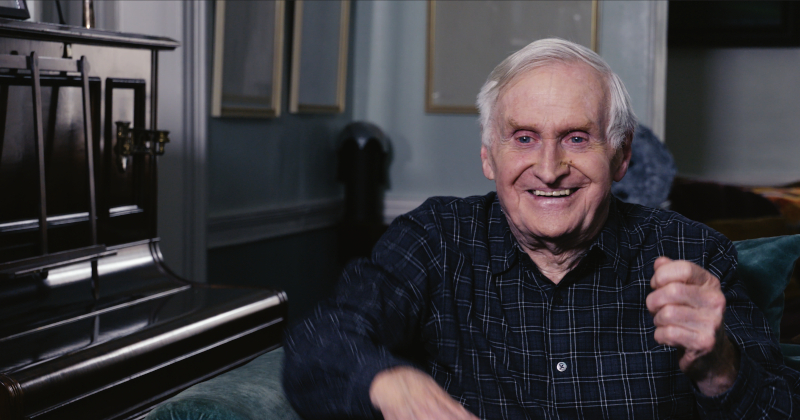
John Boorman, meanwhile, had had some success as a maverick British director. His debut Catch Us If You Can (1965) attempted to do for The Dave Clark Five what Richard Lester had done for The Beatles with A Hard Day’s Night (1964) and Help! (1965). Two Lee Marvin vehicles followed: Point Blank (1967) and Hell in the Pacific (1968), then strange fable Leo the Last, blockbuster Deliverance (1972) and SF epic Zardoz (1974).
These days, sequels are two a penny. But they weren’t yet a thing in the early 1970s. So when Warner Bros. proposed a follow up to The Exorcist they were on unfamiliar ground.
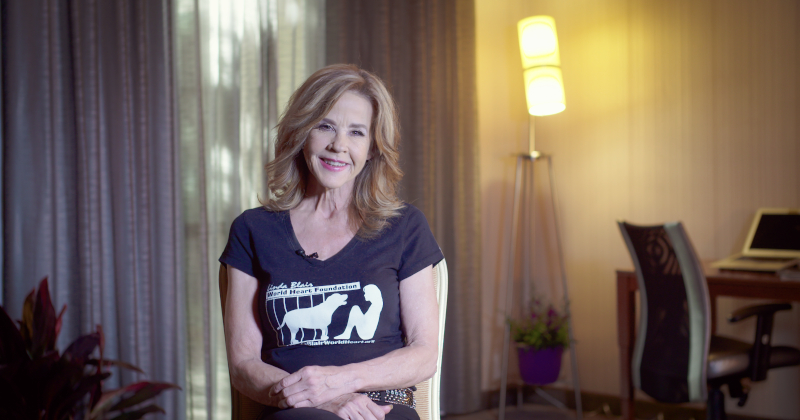
The star of the original film Linda Blair signed on with a contract which prevented her being required to repeat some of the things required of her in the first film. So, second time round, no rotating head, no vomiting bile. These days, we understand that a movie sequel, perhaps with rare exceptions, means that you make the exact same movie as he original with a few minor tweaks. Well, with Blair’s contractual stipulations, that was never going to happen here.
Although he didn’t like the original film much, John Boorman signed on as director. Deliverance, described here (questionably to my mind) as to all intents and purposes a horror movie, and which undeniably did well at the box office, is the film that got him the job. Working with collaborator Rospo Pallenberg, the pair refined the script which at this stage was known as The Heretic.
After location problems arose, that the planning stage, It was decided to shoot the entire movie Including various scenes set in Africa on the Warner Bros. back lot.
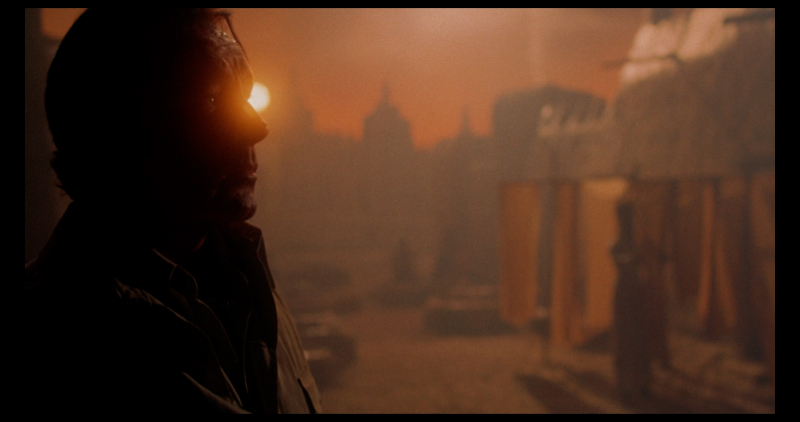
Boorman and others involved in the production detail talk about the numerous Innovations which took place during principal photography, and the clips of the film itself and behind the scenes are impressive.
The shoot included numerous in camera optical effects.
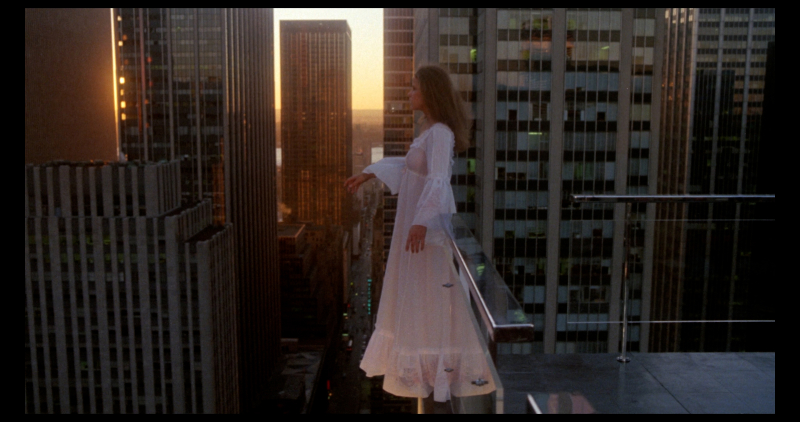
A sequence was shot on top of a skyscraper. Boorman. wore a safety harness for this. Only after this section of the shoot was complete did he discover that his harness wasn’t attached to anything and had therefore effectively been useless. However, no mishap had occurred.
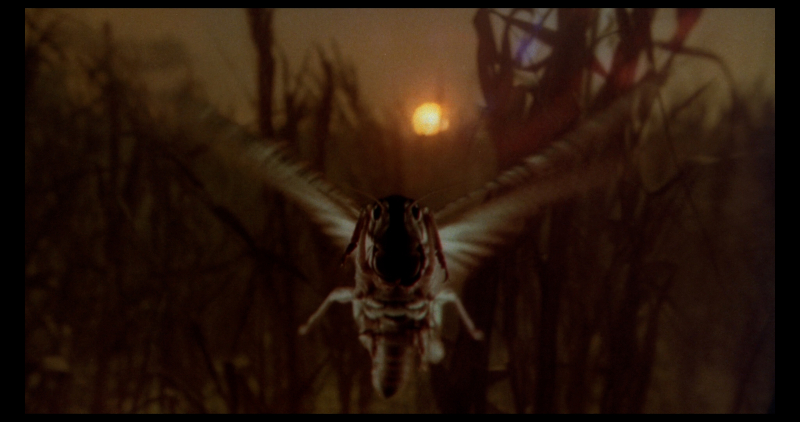
Another innovation involved a plague of locusts, for which real live locusts were brought into the studio. There was also a whole sequence shot with a locust cam. In the shooting of the locust sequences, which also involved wind machines and considerable volumes of sand to create a desert storm, Boorman, because he was giving instructions all the time, was the one person not wearing a protective face mask. As a result, he went down with Valley fever and the shoot was shut down for over a week while he was treated in hospital.
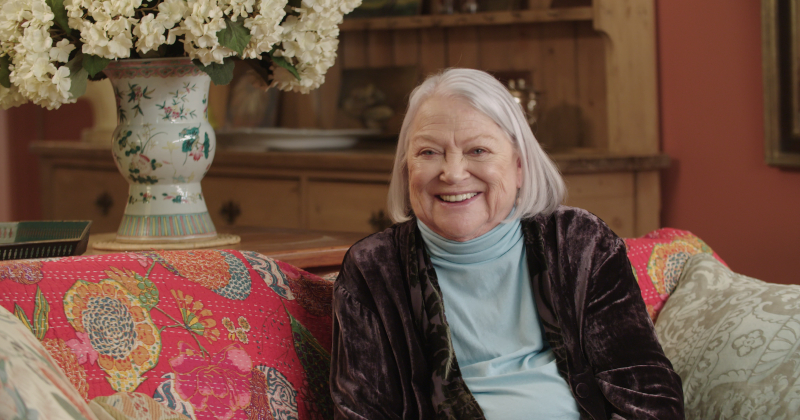
Given the nature of the film, it would be all too easy to ascribe such problems, as actress Louise Fletcher jokingly does here, to the Devil. Boorman himself dismisses this suggestion as laughable.
Nevertheless, the release date was pushed back several months.
Prior to release, Warner Bros. retitled, the film Exorcist II The Heretic, wanting to cash in on the first film’s box office. Boorman now sees the title change as a huge mistake. because he feels that the film, under the title of The Heretic, which didn’t imply any direct link to The Exorcist, would have played fine.
However, seen as a sequel to The Exorcist, the film failed to deliver what audiences wanted.
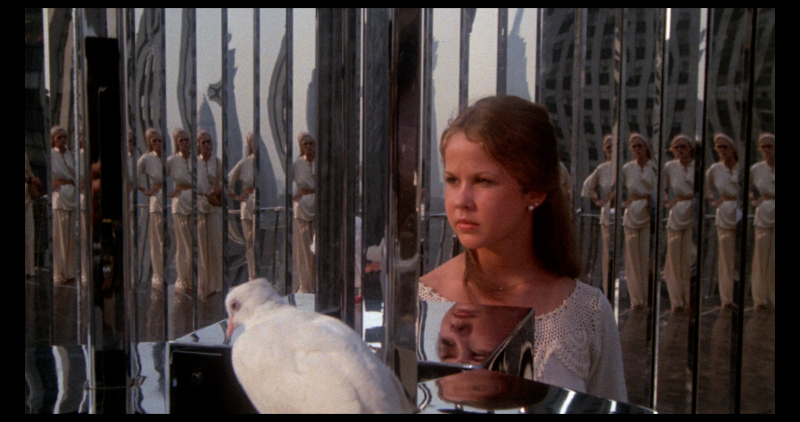
Prints were struck to fill 700 US theatres nationwide. At a test screening at which Warner Bros. executives were present The film evoked laughter. The audience which had taken The Exorcist to heart hated the sequel almost as much as it had loved the original film. It became one of the most hated films in the history of Hollywood.
Boorman had become the director of one of the biggest flops In film history.
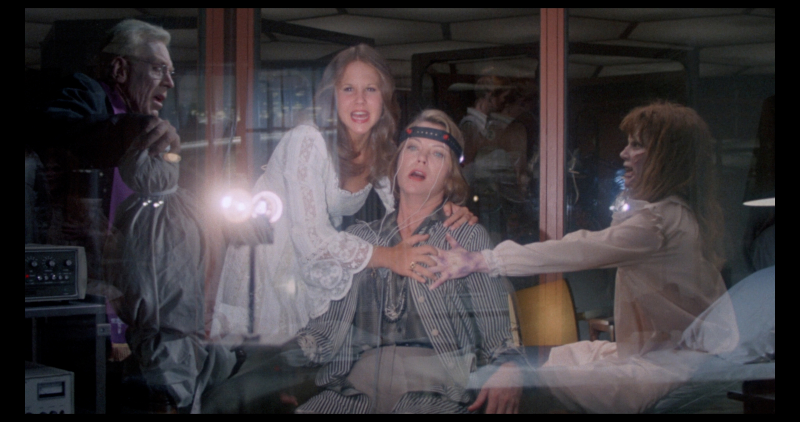
The subsequent success of Star Wars (George Lucas, 1977) changed everything. Suddenly Boorman found himself able to get money to make his dream Arthurian myth project Excalibur (1981), But having made the film, he had a moment of doubt where he thought he had made another flop like Exorcist II. However, he was wrong and Excalibur performed fine.
He would go on to make further highly regarded films including The Emerald Forest (1985), Hope and Glory (1987) and The General (1998). But never again would he tackle as big budget a Studio project as Exorcist II The Heretic.
Boorman and the Devil is out in cinemas in the UK on Friday, September 25th.
Trailer: