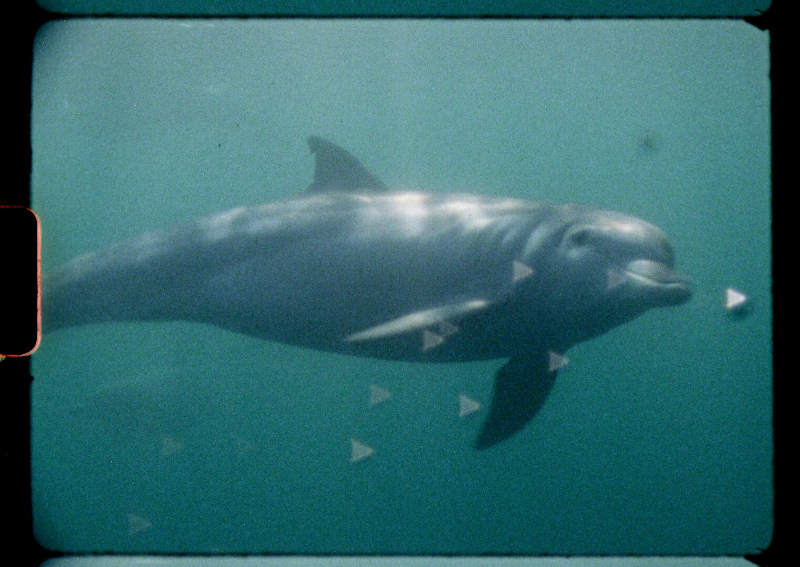
Super Nature
Director – Ed Sayers – 2025 – UK – Cert. PG – 82m
*****
The process of shooting the natural world on the Super 8 amateur home movie format of the 1970s brings a participating community of people closer to nature – out in UK cinemas on Friday, September 4th
This starts and ends with the image zooming in to and zooming out from Super 8 footage. The Kodak Super 8 system was the premier format for home movies in the late1960s through the 1970s before it was replaced for the most part by videotape in the 1980s.
For some years, Ed Sayers was involved in a Super 8 film competition wherein punters would enter their films, and most of the material was much the same – family memories or holiday footage. Some of it extremely wild. As he puts it, the medium “painted our memories on film.”
One year, a very different submission turned up from a Frenchman named Roger. Roger had shot footage of flamingoes.
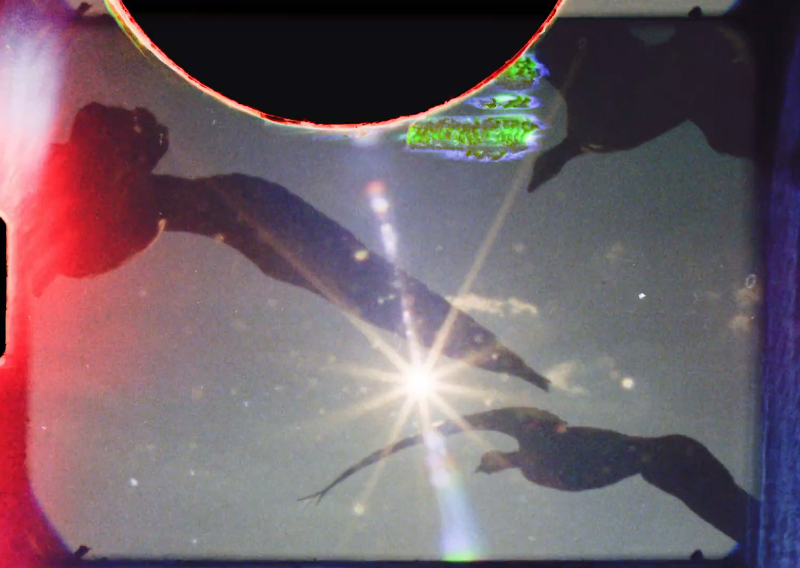
The nature of Super 8 was that the film came on little cartridges of reversal film inserted into the camera. In terms of footage, the cartridges didn’t run that long. You’d shoot by squeezing the trigger, which would stop filming when released.
This was picture only. No sound.
You’d send the cartridge off to be processed, then the film reel would arrive in the post as a series of successive shots.
Ed was entranced by Roger’s submission. It felt to him that the Super 8 medium had allowed Roger to somehow get closer to nature.
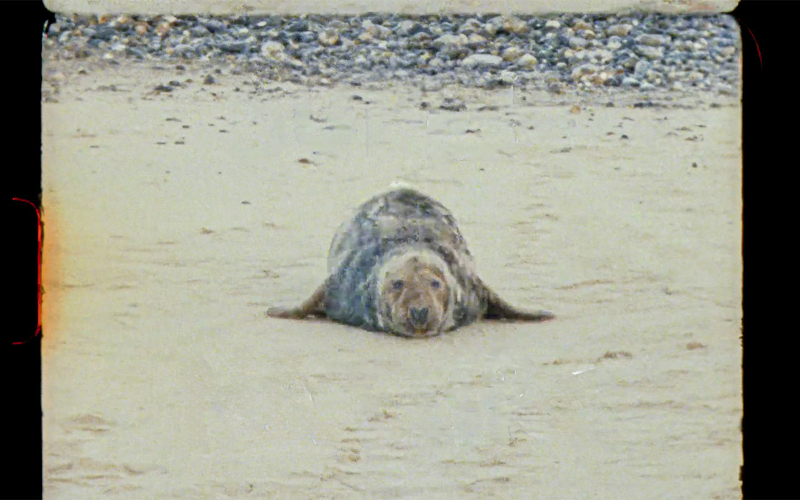
He decided to try something similar himself. He took himself down to the Norfolk coast and photographed seals on a beach.
He put out call to encourage other Super 8 users to try filming nature. The response was positive, and over the years, the reels flooded in. Eventually, he decided there was a feature film there, and edited the footage into one.
Because the Super 8 footage is picture only, he had to think about sound. The soundtrack is a combination of observations about the process of shooting nature in Super 8 – and the effects on participants in that process – and some extraordinary music, both chosen and especially composed.
Participants talk about the process bringing them closer to nature, and fostering within them the feeling that it needs to be looked after.
It starts off with a small rectangular dot which slowly enlarges into screen-filling Super 8 footage of seals lying on a beach and a commentary about how we think we’re separate from everything on the planet, but we aren’t. To a pop song about a birthday suit, we watch the seals, then kangaroos, hummingbirds, ladybirds, bison in the snow, and more. Then we get into the story of Roger shooting the flamingoes. His Super 8 footage of various insects comes up.
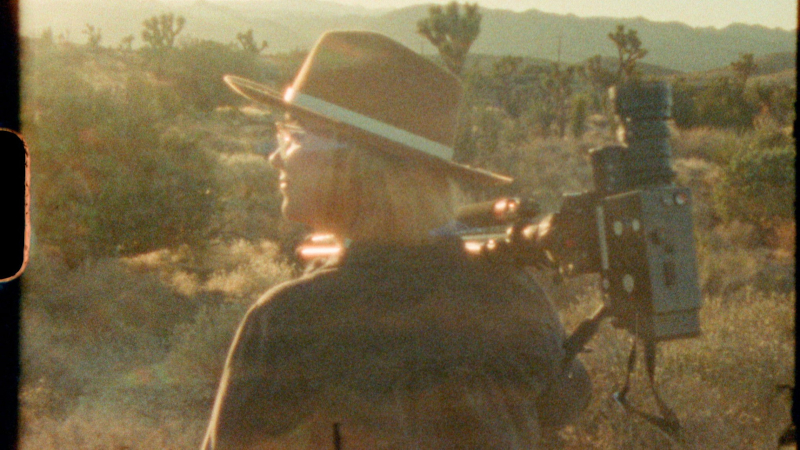
We watch the tribulations of a woman trying to film desert quail, which move very fast and hear the filmmaker coming. “I have to be very careful when I pull the trigger,” she says of Super 8. “When I capture them on film, it feels like such a success.”
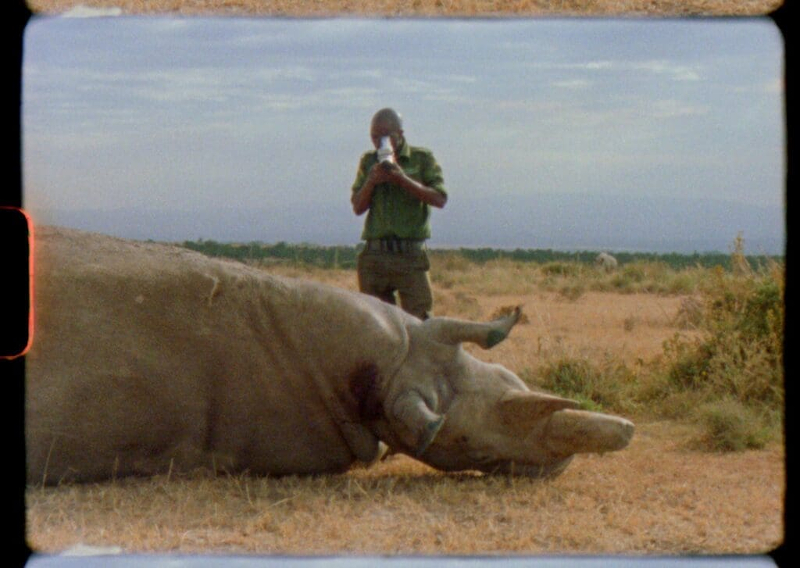
Sayers notes that a sadness is to be found in the stories. We watch the last Northern White Rhino undergoing artificial insemination in the hope of keeping the species alive. A Frenchwoman films shoreline following a destructive storm, and talks of her feelings of guilt. She films forest and forest fires, tipping points as she calls them. There are stories of colonialists exterminating species, for example, the culling of the American White Buffalo, now down to just over 20 in number.
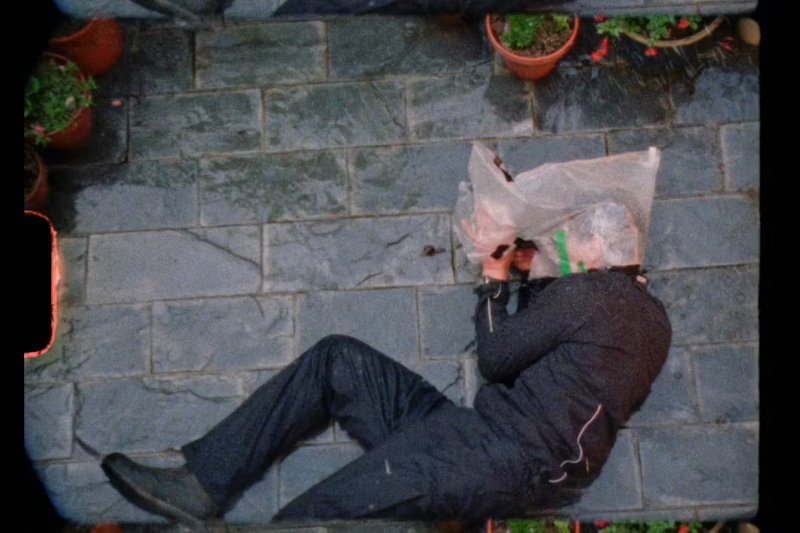
Ed reflects on how most of us now live in cities. That urban context stands in stark contrast to most of the images here, away from the city areas in the natural world. That said, we watch the filming of snails in the rain on a patio, while footage from Delhi shows roadside sellers of fruit, then monkeys swarming over balconies. An Australian notes the weirdness of kangaroos: “a deer combined with a rabbit wearing a bum bag.” Valentina, shooting from a Pacific Ocean clean up ship, observes vast nets filled with human detritus, even miles from land.
The framing, with a sliver of the previous and next frame constantly at the top and bottom of the image, constantly reminds us we are watching an amateur film format. Nevertheless, this is filmmaking just as much as a professional’ footage shot with a crew.
Shorn of commercial considerations – these are people shooting film cartridges of nature because they love doing it and they love the natural world – the Super 8 medium becomes an integral part of these images and, consequently, of this extraordinary film which is unlike anything else out there and well worth 80-odd minutes of your time. Nothing less than mesmerising.
As Ed says at the end, it all starts with us – and how we choose to look at the world.
Super Nature is out in cinemas in the UK on Friday, September 4th.
Trailer: