The Great Family (La Gran Familia)
Director – Matías Meyer – 2026 – Mexico, Italy – 84m
*****
A troubled teenager attempts to escape a care home / school presided over by fearsome matriarch Mama Rosa – premieres in the Critics’ Picks Competition of the 30th Tallinn Black Nights Film Festival
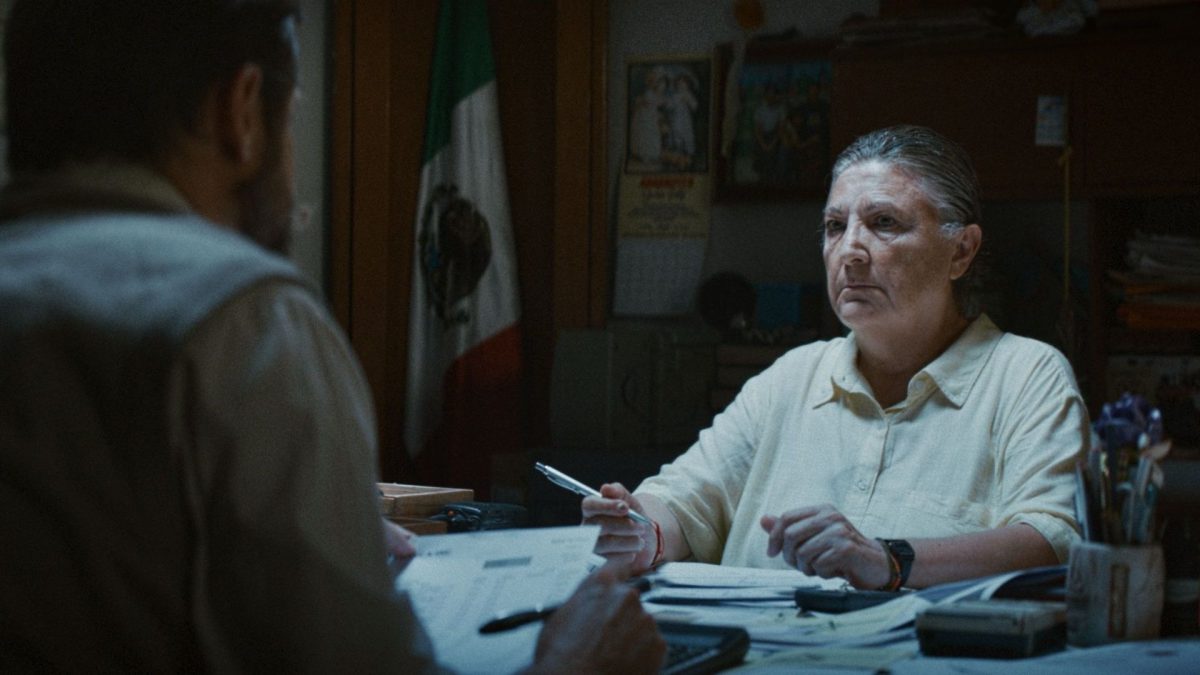
Mama Rosa ran the Gran Familia care home / school for children in Zamora, Mexico for decades until she was closed down by the authorities in 2014. Then stories of mistreatment, exploitation and abuse began to emerge. Much of this is explained in a note at the end.
Basing its story around central teenager offender protagonist Chamorasca (Alan Hernandez Vazquez), Chama for short, who is delivered by the police to Mama Rosa (Raquel Rojas) and the Gran Familia. He doesn’t know what his name means. (It translates as brushwood, i.e. a spark can easily cause it to catch fire. Yes, I had to look it up.)
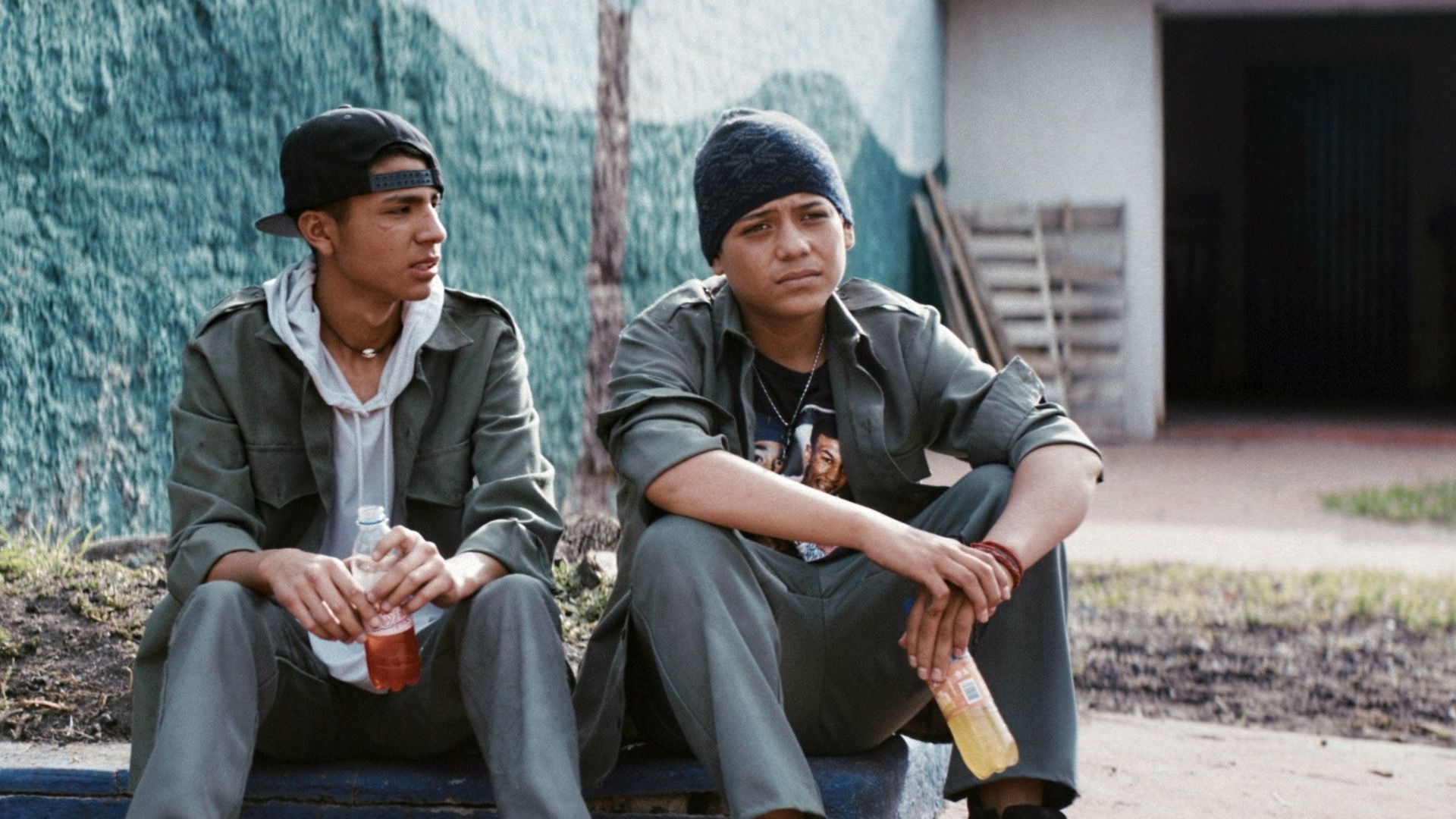
Chama swiftly falls in with fellow bad boy Gato (Miguel Sanchez Paredes), introduced when one of his boots turns up in one of the huge pots of Negra the cook (Cica Miranda) as she is preparing a meal. The cook can barely conceal her anger, yet Mama Rosa takes it all in her stride and sticks up for the boy. “Everyone has to be given a chance,” she says.
As played by Rojas, she is a tough figure to whom many of the children refer as ‘the boss’; she feels like she wouldn’t be out of place alongside the men in a classic gangster movie like Goodfellas (Martin Scorsese, 1990). Her businesslike reaction when she is first handed the beaten-up Chama by the police – she just wants to get the paperwork done – suggests a callousness at her core.
When Chama tries to escape during a fundraising trip, where all the kids go round the local area with collecting tins, he gets picked up by a cabbie and returned to the school, where he’s put in solitary confinement. It plays like something out of a prison movie or a wartime drama like The Great Escape (John Sturges, 1963). You sense a terrible darkness within Mama when she realises he’s not returned to the school van. “You’re going to be fucking sorry, Chama,” she says.
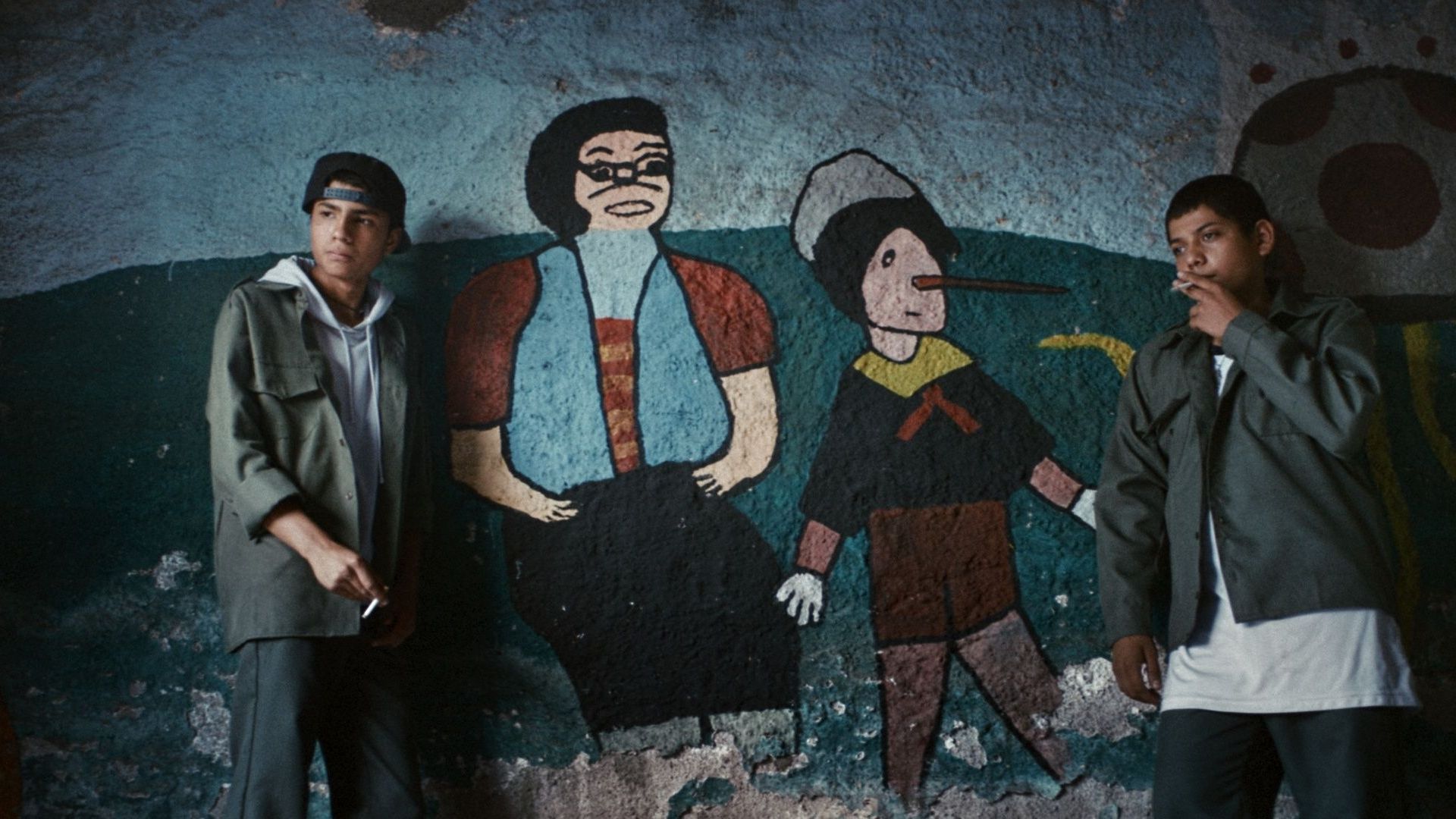
She refers to him after his capture as Pinocchio, i.e. the boy whose nose grew longer every time he lied. When he’s in solitary – a bare storage space into which he’s secured by a pull-down shutter – there is a grotesque clown’s face and a figure of Pinocchio painted on the wall to remind him of his folly.
Yet, throughout the story, all the kids, staff members and even the occasional members of the school’s alumni we encounter have considerable respect for her. And when, minutes before the end, the police raid the premises at night, I confess, not knowing the real life story beforehand, that I didn’t see it coming.
It probably isn’t going too far to suggest that the whole narrative has been put together as a reworking of Disney’s Pinocchio (Ben Sharpsteen, Hamilton Luske, 1940), with Mama in her large trunk playing the role of Monstro the monster whale who only appears in all her fury when her ire is aroused, and Chama’s companion Gato who leads him off the straight and narrow by procuring cigarettes and suggesting escaping from the school as Pinocchio’s pal Lampwick, destined to come to a sticky end. You’ll remember that Pinocchio is made of wood, which chimes with the meaning of Chama’s name.
The bravura opening in complete darkness leaves you breathless. Even though the climate in Mexico is mostly sunny, that feeling of darkness never leaves, sitting alongside Mama’s very presence. A particularly chilling scene has a small boy wandering around at night complaining he heard monsters, with a male staff member also wandering about. In what eventually proves her downfall, Mama refuses to admit human rights investigators to the school; only after allegations of abuse surface when the police raid the place did it occur to me that this scene might suggest the man has sexually abused the little boy. Terrifying stuff indeed.
When we first meet Chama, he’s lying on the ground following his beating by the police. At the end, he sticks up for Mama as she’s being taken away, and suffers the very same fate. Unlike Disney’s Pinocchio, he has no conscience figure to be his guide, and his life is unlikely to have a happy, fairytale ending.
The Great Family premieres in the Critics’ Picks Competition of the 30th Tallinn Black Nights Film Festival which runs in cinemas from Friday, November 6th to Sunday, November 2nd 2026.
This review originally appeared on DMovies.org: you can find it here.
Trailer (auto-dubbed):
Critics’ Picks mashup trailer:
Festival teaser trailer: