Categories
Features Live Action Movies

Foreboding
(Yocho,
予兆 散歩する侵略者)

Director – Kiyoshi Kurosawa – 2017 – Japan – 140m

*****

Loving the alien. Again. Japanese director reshapes his earlier Before We Vanish into an effective drama which plays out as an edge of the seat, sci-fi alien invasion thriller – from the London East Asia Film Festival (LEAFF) 2018

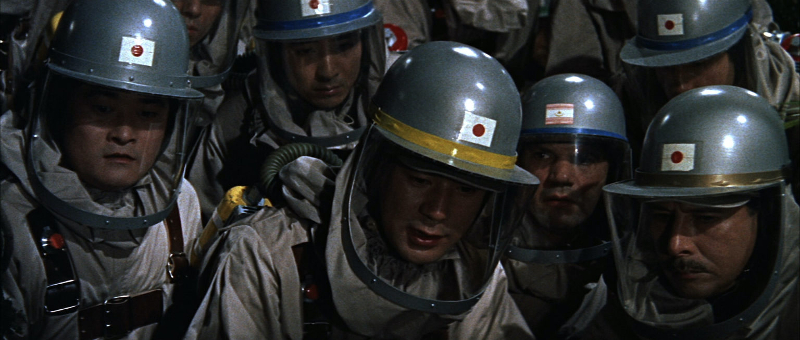
This is not exactly a remake, not exactly a reboot, not exactly a sequel. Most definitely a companion piece, though, and arguably the more effective of the two movies. And apparently, an edit of the director’s five-part series for Japanese satellite station Wowow, although it feels like a (well over two hours long) standalone feature. Kiyoshi Kurosawa revisits Before We Vanish / Sanpo Suru Shinryakusha (2017) for another story about the aliens clad in human bodies who steal concepts from people’s minds by touching a finger to a forehead E.T. (Steven Spielberg, 1982) style prior to a full scale invasion of Earth.

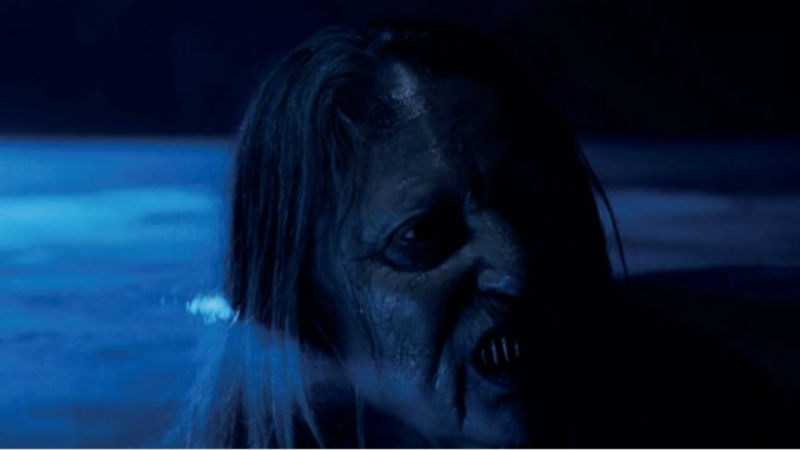
Where previously the director took the material and threw a cornucopia of different elements at it, this time round his efforts feel much more thought through and the resultant film far more consistent overall – a creepy and unsettling sci-fi paranoia thriller grounded in compelling, character-driven human drama.

Kurosawa builds his reinvented narrative round shop floor worker Etsuko (Kaho) whose friend Miyuki is going mad because of the strange presence in her home.… Read the rest

Categories
Features Live Action Movies

Secretary

Secretary

Director – Steven Shainberg – 2002 – US – Cert. 18 – 106m

*****

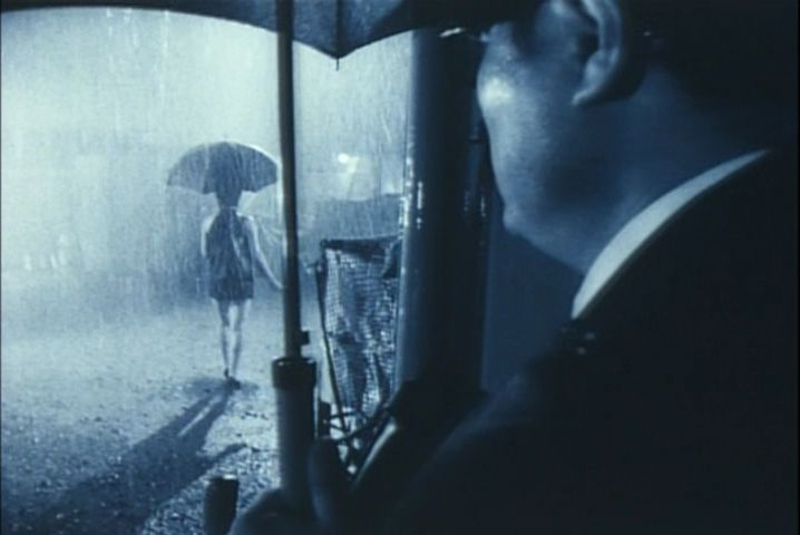
A Snake Of June (Rokugatsu No Hebi, 六月の蛇)

Director – Shinya Tsukamoto – 2002 – Japan – Cert. 18 – 77m

*****

Double DVD review originally published in Third Way, February 2004.

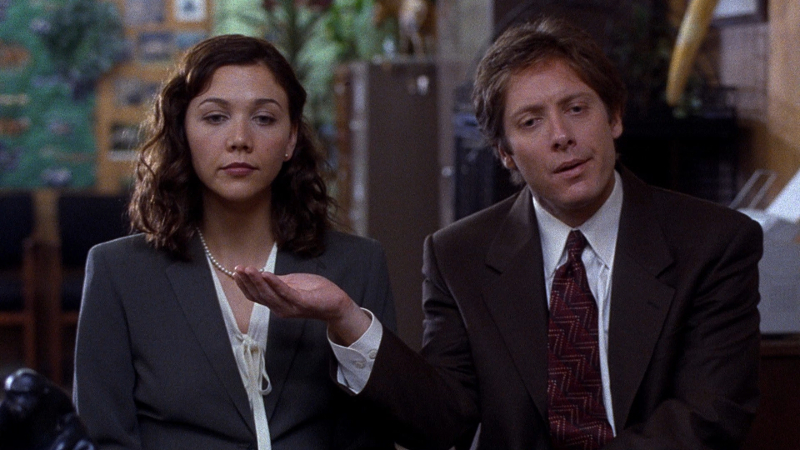
The cover image (rear view of a female figure in tight, short skirt and stockinged legs, bent down, hands grasping ankles) suggests titillation, but the American production Secretary is actually a serious drama – albeit one laced with a healthy dose of black humour – about a sadomasochistic relationship. But beneath its fetishistic surface, it is something else – an exploration into why two specific people (and why they in particular rather than any others) make one flesh. And how that works for them if the two people are initially in some way damaged (as we all are).

Although from a very different culture, its Japanese counterpart A Snake Of June – made by the experimental cyberpunk auteur Tsukamoto (of Tetsuo: The Iron Man fame) – explores much the same territory. Being small, low budget productions frees both films from mass, multiplex mainstream audience demands, allowing their directors to instead tackle (inter)personal relationship issues in depth.… Read the rest

Categories
Books

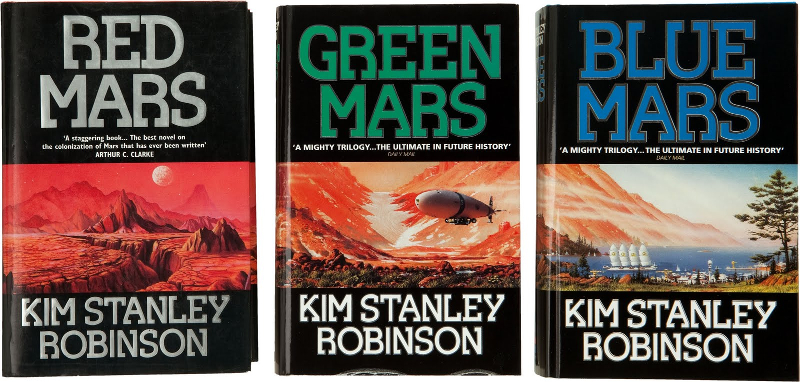
The Mars Trilogy

Blue Mars

Kim Stanley Robinson, VOYAGER £15.99, Hbk.

Red Mars, Green Mars

VOYAGER both £5.99, Pbk.

As Mars is terraformed, its dusty red surface shifts through the green of vegetation to the blue of ocean waves as its north polar ice cap is melted – the three volumes in Kim Stanley Robinson’s trilogy being named accordingly. Although Blue Mars can be read alone, it not only continues on from where the second book left off (the Terran flood disaster of 2127 and subsequent Martian bid for independence) but contains so many references to what has gone before that one can get far more out of Blue Mars if its read following the two preceding volumes. For instance, the opening crisis as to whether the radical terrorists should or should not destroy the (second) cable elevator link with the asteroid New Clarke relates to a whole prior history, including the destruction of the original cable and the freeing of the first Clarke from orbit, with the spectacular and devastating collapse of miles and miles of cable furnishing the unforgettable finale of Red Mars.

Not that the Mars trilogy is purely for techno-geeks. Principle characters are members of 2027’s original group of settlers, appropriately named the First Hundred even though their number also includes a hidden hundred and first member, a concealed stowaway later nicknamed Coyote.… Read the rest

Categories
Features Live Action Movies

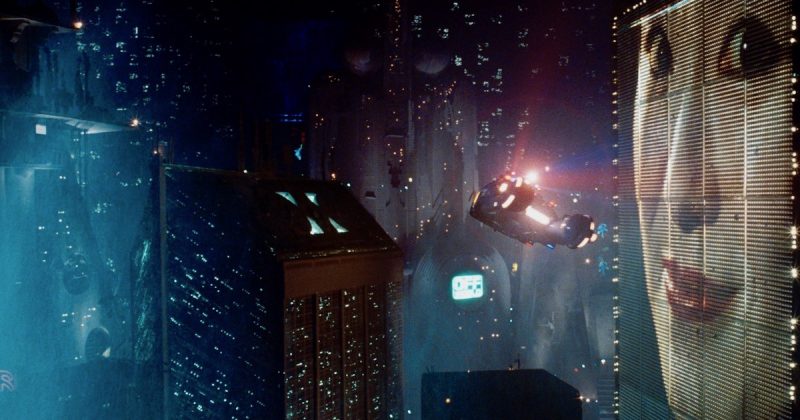
Blade Runner –
The Director’s Cut

Director – Ridley Scott – 1993 (1982) – US – 15 – 116 mins 29 secs

*****

DO FILM EXECS DREAM OF ELECTRIC UNICORNS?

One of the two main motivating forces behind the current Tetsuo II: Body Hammer (Shinya Tsukamoto, 1992) – the other was Videodrome, (David Cronenberg, 1983) – Blade Runner turns up in the cinema here some ten years after its original release in a Director’s Cut.

According to the press handouts, this isn’t just the original cut prior to Warner Bros.’ encouraging director Ridley Scott to remove the downbeat ending and insert a film noir voice over to explain what was going on – the film has additionally been re-edited by the director to make it work for a nineties audience.

Thus, the redundant voice over has gone and the original down ending is back – to make more sense of the story. There’s also a new and crucial sequence in which Harrison Ford as Deckard (an ex-cop, or ‘blade runner’, who forcibly retires renegade androids known as ‘replicants’) dreams of a unicorn which looks suspiciously like an out-take from the director’s later big budget fairytale flop Legend (1985). The relationship between Deckard and the state-of-the-art replicant Rachel (Sean Young) (“she doesn’t even know,” he comments bitterly) is expanded too.… Read the rest

Categories
Features Live Action Movies

Ridley, Ripley,
Thelma & Louise

Alien

Director – Ridley Scott – 1979 – US – X – 116 mins 35 secs

*****

Blade Runner

Director – Ridley Scott – 1982 – US – AA – 117 mins 04 secs

*****

Thelma & Louise

Director – Ridley Scott – 1991 – US – 15 – 129 mins 22 secs

*****

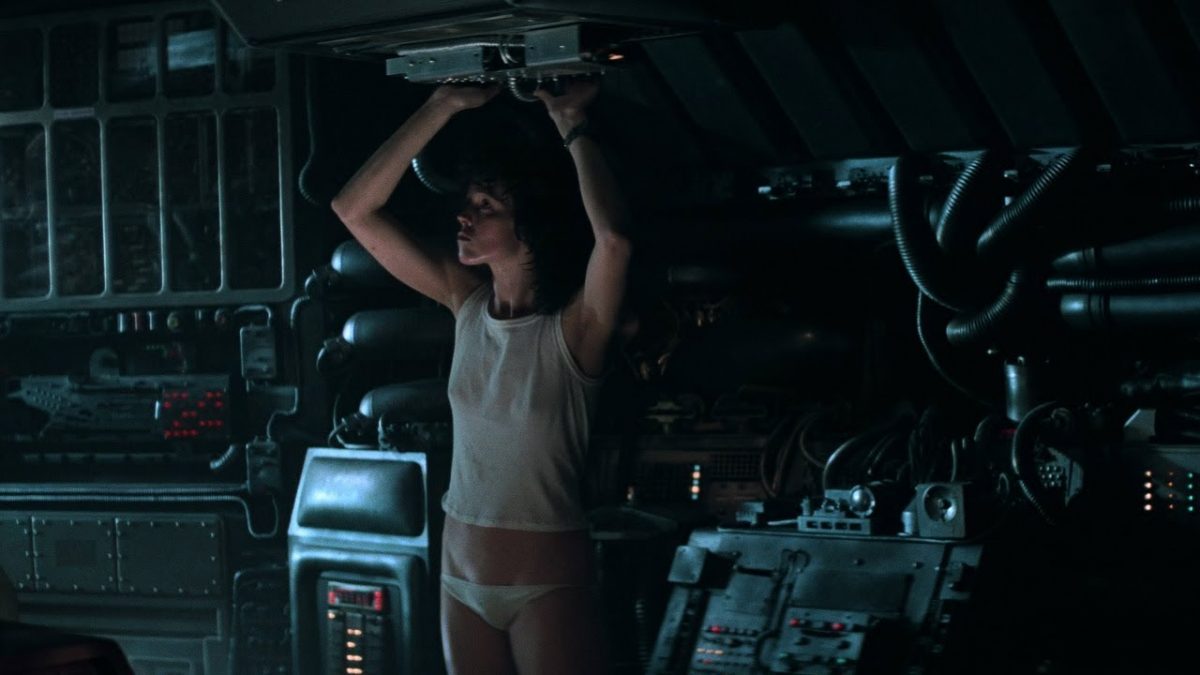
At the end of Alien, Ripley (Sigourney Weaver), having defeated the monster, strips down to her underwear only to discover that she hasn’t defeated it at all and it’s still in the space shuttle with her in the archetypal Hollywood false ending of recent years. It begged the question, why did Ripley remove her clothing at this point if not for the obvious gratification of the male members of the audience (and, one should add, the accompanying box office returns)?

At the end of Thelma & Louise, the eponymous heroines (Geena Davis and Susan Sarandon respectively), on the run after the former’s rapist has been murdered after the event by the latter, find themselves trapped between the Grand Canyon’s gaping precipice on one side of them and massed hordes of police marksmen, ready to open fire if they don’t surrender, on the other. No pandering to male voyeurism here.… Read the rest