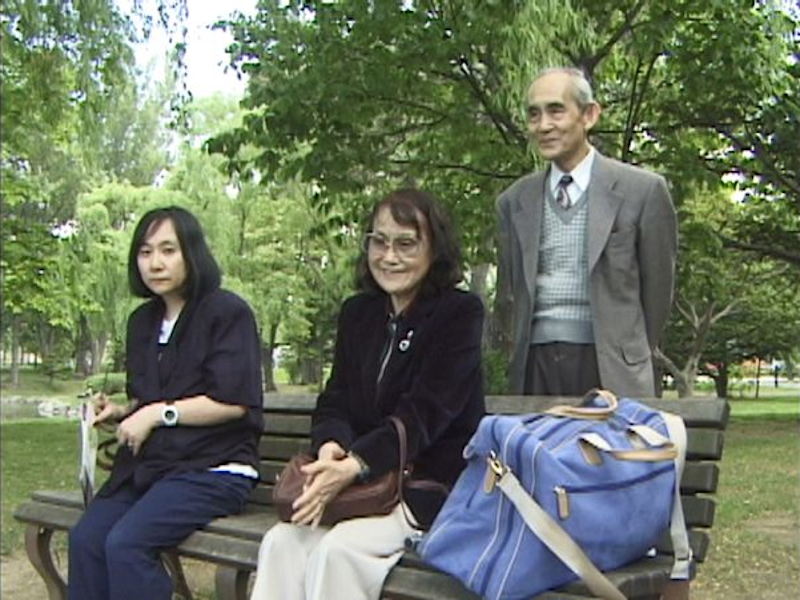
Director – Fujino Tomoaki – 2023 – Japan – Cert. N/C 15+ – 102m
***1/2
Remarkable diary film of the director’s sister who has undiagnosed schizophrenia as his parents deprive her of a decent quality of life for 30 years – plays UK cinemas in the Japan Foundation Touring Film Programme 2026 which runs from Friday, 6th February to Tuesday, 31st March
Darkness. The sound of a woman angrily, relentlessly, berating her daughter. At least, that’s what it sounds like. Director Fujino Tomoaki clarifies. He’s not trying to explain how his sister got schizophrenia, nor what schizophrenia is.
His elder sister was smarter than him. She spent four years trying to get into Medical School. One night in 1983, at home, she went completely berserk, waking everybody up. She was taken to a psychiatric hospital, who found nothing wrong with her. Tomoaki just doesn’t believe it. Another night at 2am she walked into his room, sobbing. He became worried that if she had another episode, he’d have to fight back, and the consequences might destroy his life. After his father, a medical research academic like his mother, disagreed with a psychiatrist’s thesis as to what was wrong with her, he got a job that enabled him to leave home and escape.
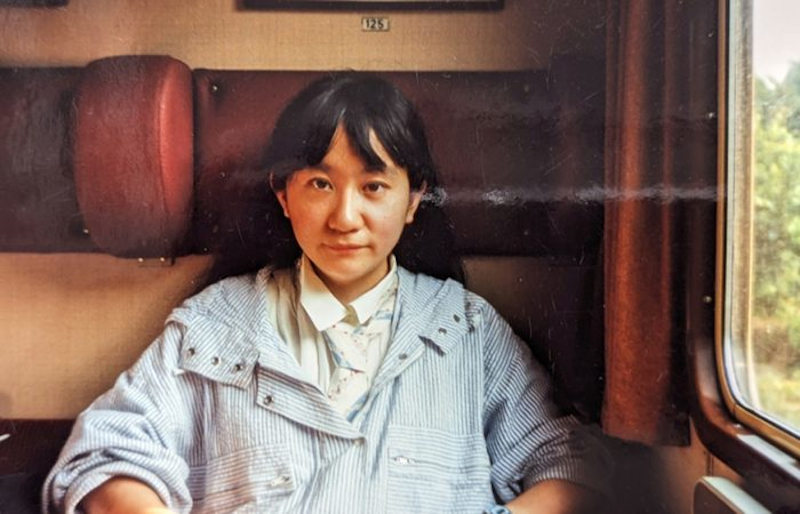
All this is covered with voiceover and still images.
In 2001, 18 years after her first episode in 1983, he started filming with a home video camera. The idea was to document family trips and time in the home, to capture the ongoing family dynamic, get his sister, and their mum, and dad, talking. As the years pass, we watch daughter, mother and father visibly age. In two cases, they eventually die.
Much of the time, Masako, the daughter, doesn’t do much. She’s clearly on medication. When it periodically runs out, the episodes recur. On medication, when people talk to her, she’s fairly unresponsive. When Tomoaki asks his mother about getting Masako into care for diagnosis, she’s evasive, saying that dad wouldn’t have it. When she eventually capitulates – 30 years after Masako’s first episode – her daughter is diagnosed schizophrenic and given different medication. From that point on, Masako is better adjusted to the world.
Then, the mother starts exhibiting symptoms of dementia, becoming convinced that Masako is in cahoots with a man she wants to let into the house between 5 and 5.30 in the morning. She even goes into her daughter’s room in the middle of the night, waking her up and causing further verbal episodes.
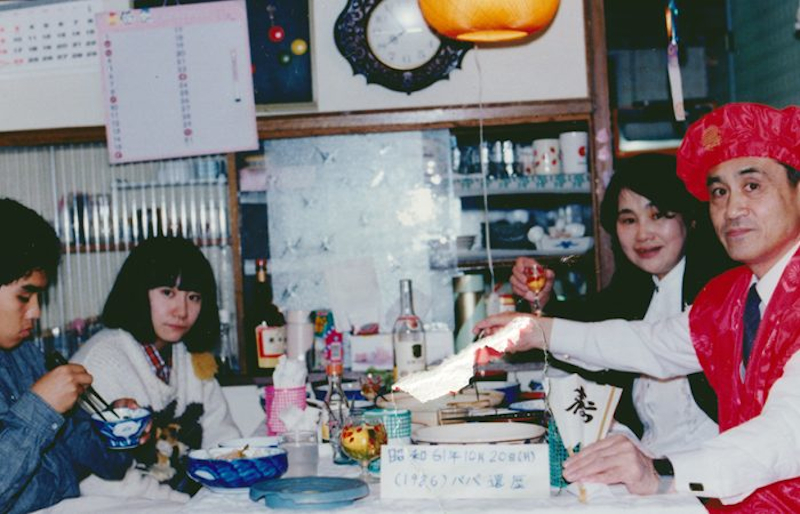
After their mother’s death, Masako starts to emerge from her shell a little more. Perhaps these years are happier for her than the preceding three decades or so. She too dies.
Finally, Tomoaki has a long chat with his dad, who claims it was all their mothers fault, he just did what he was told.
No-one is going to see this film for the cinematography, which is perfunctory at best, yet Tomoaki has an uncanny ability to succeed in his aims of capturing family dynamics on film, and the family portrait that emerges is terrifying. Both parents are trained doctors, so refuse any second opinion from the medical profession, between them consigning their daughter to the social waste bin for maybe thirty years of her life. Both find ways of passing the buck, of blaming the other partner; dad, when questioned at the end, is convinced he never did anything wrong.
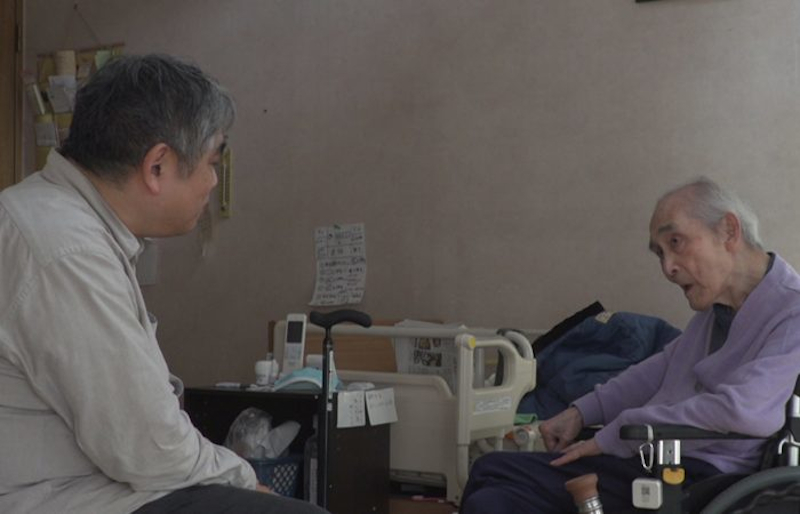
Tomoaki’s camera is a passive observer much of the time, however he sometimes intervenes verbally and attempts to ask difficult questions of the three other members of his family. At times this makes for harrowing viewing. You have to admire his dogged persistence in recording what he did over the long haul, and his bravery in putting the film together and getting it out to an audience, especially when he shot much of his footage without intending to make it into any sort of feature.
This is not a careerist’s calling card film to advance their career, rather it’s a heartfelt look at family life by a family member who realised all was not as it should be. A challenging watch, highly recommended.
What Should We Have Done? plays UK cinemas in the Japan Foundation Touring Film Programme 2026 which runs from Friday, 6th February to Tuesday, 31st March. #JFTFP26
This year’s programme has the overall theme:
Knowing Me, Knowing You – The True Self in Japanese Cinema
Screenings: https://www.jpf-film.org.uk/